bridal skin care

BRIDAL SKIN CARE TIPS FOR GLOWING SKIN ON YOUR D-DAY

Every bride wants her skin to look radiant and glowing on her wedding day. But with all the pre-wedding stress and the harsh environment, brides often struggle to keep their skin healthy. Fortunately, there are some easy tips that can help you manage your skincare routine and ensure that you have glowing skin on your special day. 

How a daily routine for perfect wedding skincare should be defined?

Ideally, a pre-wedding skin ritual should commence 3-4 months prior to the momentous occasion. This is important so that your skin will be able to acclimate to it and actually show the effects. The skin cell regeneration cycle is 40 days so we require sufficient time for you to grow results and for your dermis to recover itself.

You may want to consult with an expert to receive the glow you want for your special day. But, there are a number of things that may help you get the glow you want on your d day.

  • Take sun protection seriously:

No matter what season you’re getting married in, it’s important to pay attention to sunscreen to prevent sun damage. UV rays are the main cause of many skin care issues. They also cause your face to look dull and bedraggled, thus hampering your bridal treatments. Use sunscreen 30 SPF every day. Opt for a lightweight sunscreen that doesn’t leave a solar cast and filters in the sunlight, supplying substantial protection from harmful rays regardless of how ill the sky looks.

  • Manage your stress 

It’s common to feel anxious at your wedding, but taking time for yourself and maintaining a routine that doesn’t consume you is necessary. Ultimately, your physical and spiritual health is of greater importance than worrying about colour schemes or wedding decorations. Just remember that your stress is visible on your face. Anxiety disrupts your sleep, which explains why you get puffiness under your eyes. Book relaxing massages, and warm baths, and start meditating, which all help to destress. Taking these actions will significantly help, and your skin will thank you for it.

  • Stay hydrated: 

It’s crucial to soften the skin for elasticity and suppleness, which means hydrating both internally and externally. This can be achieved through drinking lots of fluids and applying a hyaluronic acid serum for dry skin and a niacinamide lotion for oily skin. If that sounds too confusing, it’s best to look for moisturizers with these ingredients as there are several nowadays in the market.

  • Start a healthy diet: 

Given that skin is dependent on what you eat and drink, it’s hardly surprising that it mirrors your diet. When you use natural pre-bridal skincare products, it’s suggested to start eating healthy 6 months before your wedding. You can consult with a dietician for a customized diet plan and outline it 6 months prior to your wedding. Ignore the modern fad diet primarily because you don’t want to be hungry at that moment. Rather than forgoing your favourite delicacies, including superfoods wealthy in anti-oxidants, vitamins and minerals that will help renew your glad disposition. Select leafy greens to alleviate anxiety. Drink yoghurt and kombucha to eliminate gas.

  • Follow the golden rule of sleeping:  

One online skin care recommendation brides make is that you need an adequate amount of sleep. You do not want to look tired on the wedding day, after all. Among the best beauty secrets is the rejuvenating quality of a good night’s rest. When you rest, skin cells repair themselves, allowing your skin to look healthy and radiant. It not only stops the development of early ageing signs but also provides essential nutrients to your skin so that you remain young and radiant.

Bottom line:

Brides can feel confident and beautiful on their special day with the right bridal skin care regimen. To achieve glowing skin, brides should start by creating a tailored skincare routine that works best for their individual needs. It is important to stay consistent and follow through with the routine at least two months prior to the wedding day. In addition, getting enough sleep and eating a healthy diet also plays a key role in maintaining a healthy complexion.

Bridal skin care | bridal skin care routine

Loading

Hair Loss Treatment in Mumbai

5 EFFECTIVE WAYS TO DEAL WITH WINTER HAIR LOSS

Winter is a season that comes with its own set of challenges, especially when it comes to our hair. The chilly outside air may dry out your hair, making them feel brittle and crunchy. Shrinking temperatures could trigger the moisture contained in your hair to stop entirely, making them lose vibrancy and creating baldness. Luckily, there are some easy steps we can take to help reduce the effects of winter-related hair loss

Tips to help you get away from hair fall caused in winter: 

  • Hot oil massages: 

Giving your hair the moisture it deserves is the best thing you can do in winter and oil massages is the best thing you can do. They are an excellent method to stop hair loss throughout the winter and be very relaxing. Oiling and massaging your help also helps with blood circulation to your scalp, which helps strengthen the hair follicles.

  • Avoid heat styling and hot water showers:

Letting your hair dry naturally is the easiest way to avoid damage. Drying your hair doesn’t need extreme heat; on the contrary, it will help keep your hair healthy. If you’re able, you should try to let your hair dry naturally through the winter months. Heat style is more common in the fall and winter, but it will ultimately damage your hair and cause it to crack. Also, switch to warm water when taking a tub. Avoid prolonged baths or showers in hot water, since excess heat can damage your hair. Instead, opt for tepid water with warm head-washing.

  • Don’t go outside with wet hair:

Wet hair is much more vulnerable to damage than dry hair. While you’re walking in the cold, your hair is likely to freeze and break if it comes into contact with moisture. Nevertheless, air drying is the preferred choice, it’s better if you blow dry your hair rather than venture outside with wet hair. However, pick a room temperature or less heated setting.

  • Do not overwash your hair: 

Your hair’s natural hair oil loses its nourishing properties once washed frequently, and the dry winter is particularly damaging to your hair since it is lost vital oils. If necessary, consider extending the time between washes. Wash every other day if you normally wash daily. Advance to the next well-equipped interval after your hair is no longer completely dry. Try every three days if your hair still sheds light only with dry shampoo.

  • Eat a healthy and balanced diet: 

A nutritional deficiency, such as too little vitamin A, B, and E, can have a negative impact on the wellness of your hair and lead to thinning. Vitamins A and B strengthen your scalp’s sebum production, which facilitates blood flow and allows your hair to flourish. Poor diet and nutritional deficiencies severely limit your body’s physical capabilities to create new hair. Throughout the colder months, concentrate on consuming adequate proteins, vegetables, and nutrients.

Be set in winter with these healthy tips 

Incorporate these suggestions into your usual routine for the winter for excellent hair care. This winter, say goodbye to your hair woes and leave behind all those bad hair days.

Loading

Baldness Treatment in Bandra

BALDNESS: DON’T LET IT KEEP YOU FROM ENJOYING MOMENTS

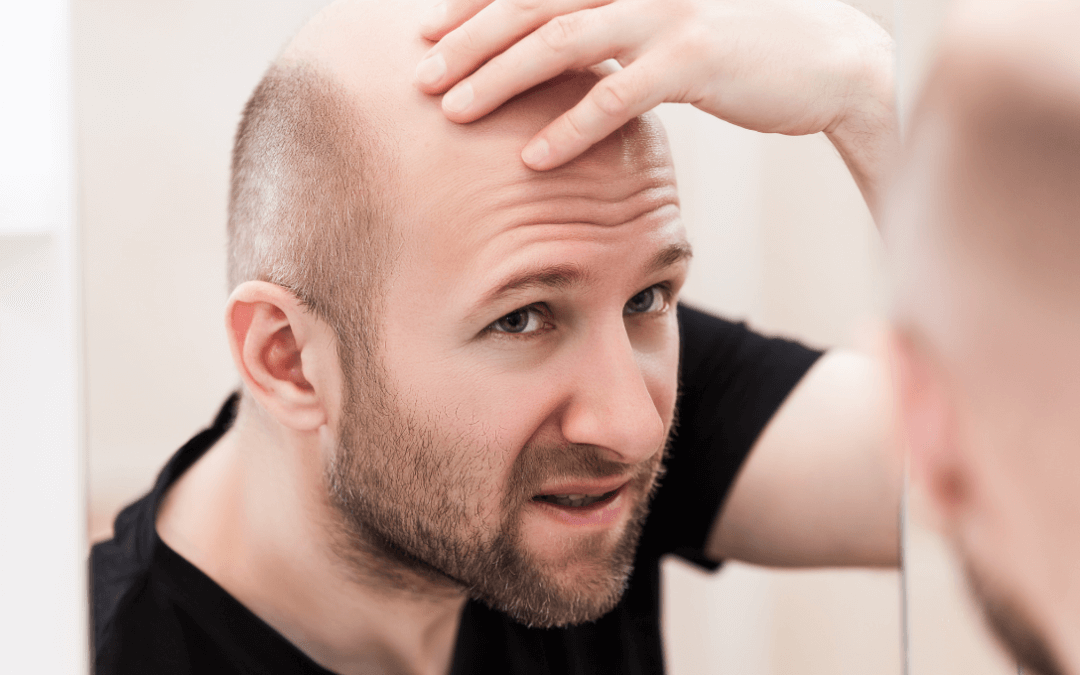
People mostly assume that baldness can cause only when you reach a certain age or it is a cause of ageing, Well! It is a big no!! ageing is not the only cause of your baldness. People at a very young age also go through the same kind of problem and then they get anxious while getting out of the house as they think people might laugh at them (especially at their baldness). But staying home cannot be an option, we should know what are we exactly suffering from which is causing weight loss and take steps to treat it.

Here are some of the possible causes which you might be suffering from:

  • LACK OF VITAMINS IN YOUR BODY:
    Lack of vitamin deficiency such as the absence of Vitamin B12, DC, or even zinc and biotin deficiency can also cause hair loss. A balanced diet can help you get over these deficiencies.
  • STRESS:
    Stress can lead to a lot of health problems but one of them is hair loss, you need to know what is causing you to stress and take steps towards managing it. The best you can do is start meditating and doing some stress-bursting activities like things which give you happiness and make you feel stress-free.
  • AUTOIMMUNE CONDITIONS:
    The immune system attacks the body and produces disorders where the body’s organs experience dysfunctions. Autoimmune diseases can impair the digestive system leading to problems with nutrient intake and hair loss.
  • GENETICS:
    Some of the factors which can cause hair loss is when it’s hereditary. Are your family members getting bald very soon? If the answer is yes then even you can also go through the same, the one thing you can do to avoid hair loss at a young age is to care for your hair constantly by oiling it twice a week, knowing which product suits your hair type and using it accordingly.
  • PREGNANCY:
    Well as there are constant changes taking palace in our body during the pregnancy period. This is not a huge worry but if you think that it seems like a concern consult your doctor.
  • HORMONAL CHANGES:
    There is a lot of research stating that due to hormonal changes a person can suffer from hair loss, there is no possible prevention for it but you can talk to your doctor if you feel you are suddenly losing too much hair.
  • MEDICINES:
    If you are prescribed a new type of medication and since then you have started experiencing hair loss then it can be a possible side effect of that medicine. So what can you do now? Talk to your doctor and ask them to change the medications.

Hair loss seems to be a more serious problem than it seems can be caused due to various types of problems, the first thing you should do before experimenting with anything is to consult a dermatologist and get your problem resolved before it causes any further harm to your hair.

Loading

Hair Loss Treatment in Bandra & Mulund

DON’T LET ANXIETY ABOUT HAIR LOSS RUIN YOUR DAY

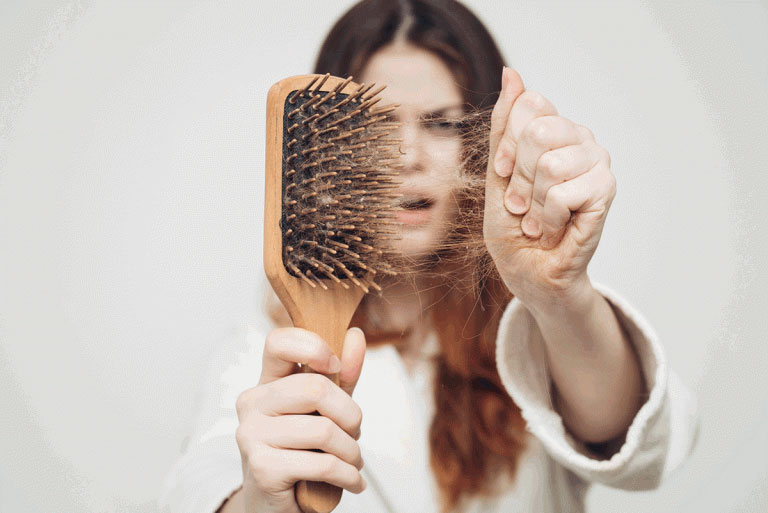
Waking up in the morning and finding hair on your pillow or while combining or even in the drain. So much hair fall. Our first instinct when we see hair fall is stress and anxiety.

Hair plays an important role when we talk about the way we look and losing our hair can be a very upsetting situation, and it is normal to be upset about it. Due to this people stop socializing, or avoid doing the things they enjoy (especially for which they have to go out). But stressing out is not an option, however! stress can also be a cause for your hair fall too, so what can you do to avoid the anxiety regarding hair fall? The answer is simple just follow some of the basic methods like:

  • Start a healthy lifestyle: A healthy lifestyle with a proper timetable like, healthy and time-to-time eating habits with a proper sleeping schedule. 
  • Check if the shampoo you use is suiting your hair type: Every hair type is different and thus their treatment also varies, and the products you use can affect the health of your hair, that’s why it is important to look for the right product. 
  • Take proper care of your hair: Just following a healthy diet or changing shampoo is not your only solution, taking care of your hair is also important, just like our body our hair also needs nourishment from the outside too, as constant oiling and hair wash, the proper haircut is what your hair needs.
  • Talk to doctors regarding the problems you are facing with hair loss: Getting an expert opinion is the best care you can give to your hair, they know in detail about what you might be suffering from and it can help you get the treatment that your hair might need.
  • Lastly, knowing how to manage your stress and depression and giving attention to your mental health is also essential.

Hair fall can be stressful, but it is eventually on us how we should react to it. If we take the proper steps regarding our hair health too then there is no need to worry about it. Taking with professionals is best other than trying to treat it on your own. Consult a doctor today.

Loading

Acne Treatment

Adult Acne: What Causes It and How to Treat It

HOW TO TACKLE AND TREAT ADULT ACNE

One of the most prevalent skin problems is acne. Many people have experienced it or may experience it in the future. But to further confuse matters, teen acne and adult acne are two different conditions. Everything you did to defend yourself the first time you battled acne in your teens won’t necessarily work for you as an adult. Teenage acne is frequently caused by a change in hormones that comes with maturing, although adult acne can be caused by a variety of factors. Forget what you believed to be true and pay attention.

WHAT CAUSES ADULT ACNE?

Acne is mostly brought on by excessive sebum production and clogged pores. The expression “clogged pores” keeps coming up in conversation. A discussion on acne would be incomplete without mentioning it, at the risk of repetition. You may be sure that there are clogged pores wherever there is acne.

Millions of tiny holes (pores) connect our skin’s surface to the sebaceous glands that are located beneath the skin. In a healthy amount, they generate sebum, an oily material that keeps the skin moisturised and forms a waterproof layer to keep the body’s water content as high as possible.

Dead skin cells, germs, and sebum all pass through a follicle on their way to being washed away. The follicle becomes clogged when it is straining to work overtime while being overflowing with sebum and debris. This might cause an infection. The body then switches to self-healing mode and sends an SOS (save our skin) signal to the rest of the body to send more blood cells to the part that is inflamed. Because of this, when you pop a pimple, pus and blood come out. It’s a physically remarkable as well as disgusting motion.

However, we can’t totally put the blame on clogged pores. The way we live can also be a factor in those bothersome pimples. Because stress, food, and insufficient sleep are all connected to hormones, they can directly affect the chemical balance of your skin, making it more susceptible to acne.

THE DIFFERENT TYPES OF ACNE

Identifying the type of acne you have is the first step to treating it. Acne can be flat on the surface of the skin or raised and fit into the following categories:

Comedones – These are tiny papules that are skin-coloured. Blackheads are closed comedones, whereas whiteheads are open comedones. Most people mistake blackheads for dirt, but when comedones are open, melanin interacts with oxygen and oxidises, darkening in colour.

Milia – Dead skin cells that become caught on their way out of the body, also known as milk spots, usually form a tiny cyst. They may spontaneously remove themselves over the course of a few months, depending on how near they were to the skin’s surface.

Papules – the kind of acne that is most closely associated with skin conditions. Red lumps without a pus centre are called papules. They typically take a few days to fill up with pus, during which time we have repeatedly prodded, stabbed, and pricked them in order to get that pleasurable pop. However, we strongly advise you to resist any temptations because having beautiful skin is much more pleasurable than popping a pimple.

Pustules – When papules contain pus, they become pustules.

Nodules – are the hardest form of acne to overcome. They typically remain solid beneath the skin and don’t form whiteheads. Nodules, which can be very painful, are signs that an infection from a blocked pore has migrated deeply into the layers of the skin. You must absolutely refrain from attempting to pick at these.

Cysts – essentially nodules, but softer because they contain pus. Since they will hurt just as badly, you won’t feel the need to play with them.

HOW TO TREAT ACNE

REDUCE YOUR STRESS LEVELS
It seems unjust that stress-related acne development or aggravation would add to our stress levels. Our bodies respond to stress by creating the hormones cortisol and androgens as a form of defence. The problem is that they increase sebum production.

We have little influence over many factors that cause stress, but we do have some control over how we choose to deal with it. You can achieve this by engaging in self-care activities, engaging in regular exercise to increase your feel-good endorphins, and starting a journal to help you better process your emotions.

IMPROVE YOUR DIET

Although we know it’s harder said than done given the poor food habits we’ve developed during lockdown (you’re not alone if you got into contact with your fridge more than anybody else), our diet is a little easier to control than stress. Foods heavy in sugar and refined carbohydrates raise insulin levels, which subsequently trigger the body to generate more oil, increasing the likelihood of a clogged pore.

We hate to be the ones to encourage you to cut back on your intake of carbohydrates and sugar, especially if you have a very sweet appetite. You need a healthy quantity of each, but moderation is key. This doesn’t mean eliminating it altogether (we’d never be so harsh).

Loading