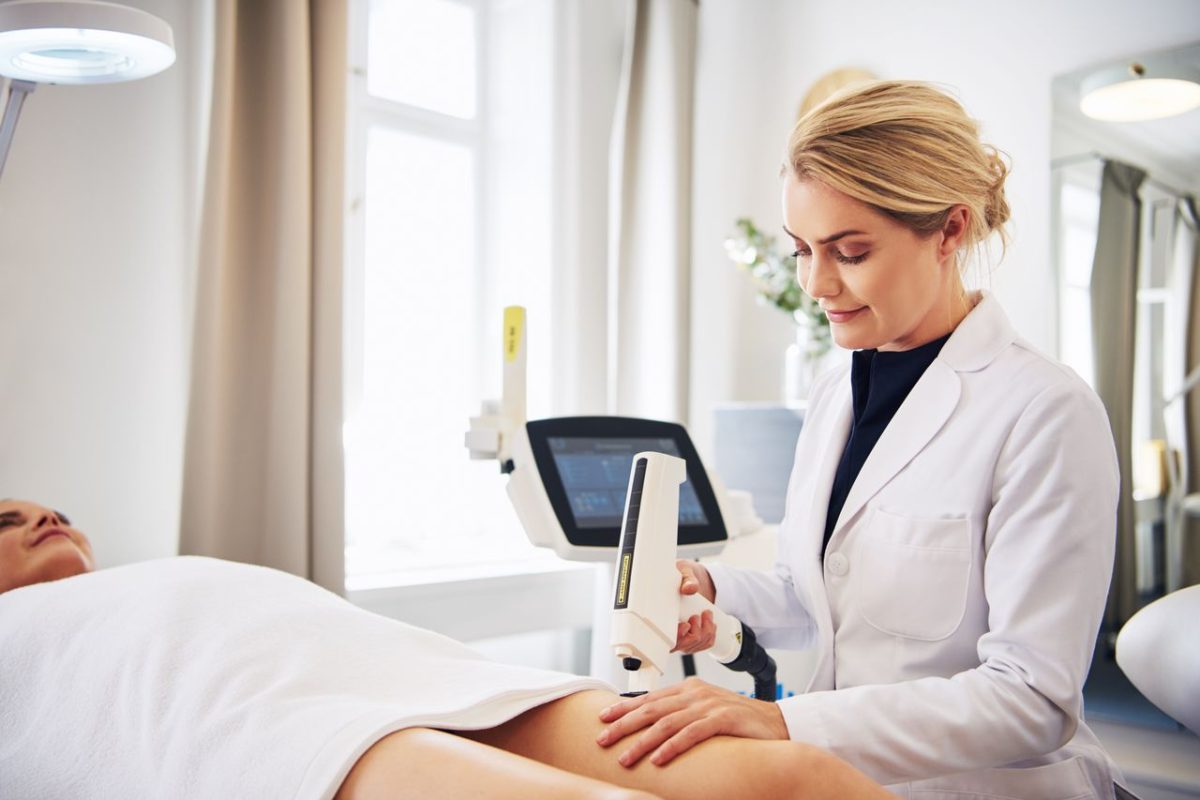
Unmasking Common Skincare Myths: Debunking Acne Treatment Misconceptions

When it comes to skincare, there’s an overwhelming amount of information available. From well-intentioned advice to questionable beauty hacks, it’s easy to fall into the trap of skincare myths and misconceptions, particularly when it comes to treating acne. In this blog, we’ll tackle and debunk some of the most common myths surrounding acne treatment, allowing you to separate fact from fiction and make informed decisions for your skin.

Myth 1: Acne is caused by poor hygiene.

Fact: While it’s important to keep your skin clean, acne is not solely caused by poor hygiene. Acne is primarily a result of hormonal fluctuations, excess oil production, clogged pores, and inflammation. Overwashing or harsh scrubbing can aggravate the skin and worsen acne.

Myth 2: Only oily-skinned people get acne.

Fact: Acne can affect people of all skin types, not just those with oily skin. Dry or combination skin types are also prone to breakouts. Each skin type may require specific approaches and products tailored to their unique needs.

Myth 3: Tanning clears up acne.

Fact: Sun exposure and tanning might temporarily improve the appearance of acne due to the drying effect and the tanned skin masking redness. However, this is only a temporary illusion. Prolonged sun exposure can damage the skin, increase inflammation, and worsen acne in the long run.

Myth 4: You should pop your pimples to make them go away faster.

Fact: Popping pimples is a big no-no. It can introduce bacteria into the skin, lead to infection, and increase the risk of scarring. Instead, opt for acne spot treatments with ingredients like benzoyl peroxide or salicylic acid to help reduce inflammation and speed up healing.

Myth 5: Acne is caused by eating chocolate or greasy foods.

Fact: While diet can play a role in overall skin health, there’s no direct causal relationship between eating chocolate or greasy foods and developing acne. However, it’s worth noting that some individuals may be more sensitive to certain dietary triggers, such as high-glycemic foods or dairy. It’s best to pay attention to your own body and identify any potential dietary triggers that may worsen your acne.

Myth 6: You should scrub your face vigorously to get rid of acne.

Fact: Scrubbing your face aggressively can irritate the skin, disrupt the skin barrier, and worsen acne. Instead, opt for gentle cleansing techniques and products specifically formulated for acne-prone skin. Look for ingredients like salicylic acid or tea tree oil that can help unclog pores and reduce inflammation without causing excessive dryness or irritation.

Myth 7: Acne will go away on its own, so no treatment is necessary.

Fact: While some cases of acne may resolve spontaneously, many require proper treatment to effectively manage and prevent scarring. If you’re struggling with acne, it’s advisable to consult a dermatologist who can recommend the most suitable treatment plan for your specific needs.

Myth 8: Makeup causes acne.

Fact: Makeup itself doesn’t directly cause acne. However, certain heavy or pore-clogging makeup products can exacerbate existing acne or create a favorable environment for breakouts. Opt for non-comedogenic or oil-free makeup products and ensure thorough cleansing to remove makeup before bed.

By unmasking these common skincare myths, we hope to empower you to make informed decisions about your acne treatment. Remember, everyone’s skin is unique, and what works for one person may not work for another. If you’re struggling with acne, consult a skincare professional who can guide you on the best treatment options for your individual needs. With proper care and a well-rounded approach, you can effectively manage acne and achieve healthier, clearer skin

Loading

Psoriasis treatment in Bandra & Mulund

UNDERSTANDING PSORIASIS: CAUSES AND SYMPTOMS

Psoriasis is a common skin condition that affects millions of people around the world. It is characterized by red, scaly patches on the skin that can cause itching and burning sensations. While the exact cause of psoriasis is unknown, some factors may contribute to its development such as genetics, environmental triggers, and an overactive immune system. Understanding psoriasis and its various symptoms is essential for managing this condition effectively.

Let us see in detail the causes and symptoms of Psoriasis

What are the causes of Psoriasis?

An overactive immune system that generates inflammation in your skin triggers psoriasis. If you have psoriasis, your immune system is supposed to destroy foreign invaders, such as bacteria, to keep you healthy and prevent you from getting sick. However, your immune system can therefore mistake healthy cells for foreign invaders. Thus your immune system starts to create inflammation or swelling, which you see on the surface of your skin as skin plaques.

Psoriasis is a disease that runs in family there may be a genetic component of psoriasis running the family leading you to suffer from it. Other than that if this disease is not hereditary it can be caused by various other reasons:

  • Stress
  • Illness
  • Injury to skin
  • Weather
  • Upper respiratory infections
  • Smoking 
  • And many other reasons like certain types of foods, alcohol, or environmental factors.

The most common symptom of  psoriasis:

Psoriasis is a disease that looks like a few spots of dandruff-like scaling to major eruptions that cover large areas. Symptoms of this disease may vary from person to person here are some of the common symptoms that you may face:

  • Dry of rracked skin that bleeds
  • Swollen joints
  • Discoloured patches on various areas of skin- classically, they’re red on fair skin and purple on dark skin — or raised plaques of skin that are covered with scales.
  • Pitted or thickened fingernails or toenails

If you scratch your plaque, you might accidentally break your skin, which may cause an infection. Infections pose a life-threatening threat. If you experience severe pain, swelling or fever, you could be dealing with an infection.

Bottom line:

Psoriasis is a complex chronic skin condition that can be managed with the right psoriasis treatments. It is important to understand the causes and symptoms of psoriasis and visit a dermatologist for individualized treatment recommendations. By taking certain precautions, such as limiting stress levels, avoiding certain triggers, and using therapeutic treatments, symptoms may decrease or even disappear. Psoriasis is a disease that can be easily managed by right medications, so visit an expert and get it treated on time.

Loading

UV rays

PROTECTIVE GEAR IN THE SHADE: SHIELD YOURSELF FROM UV RAYS

The summer heat has once again bloomed on our windows and has increased the risk of harmful sun raises, and as we know those harmful sun rays can damage our skin and leave us with dark patches, sunburns, and many other skin disorders that start to line up one after another due to those harmful sun rays. Thus to avoid all those things we apply sunscreen on our skin which restricts harmful UV rays from penetrating our skin and damaging it in any way possible. Well, it is true that sunscreen protects us from the harmful rays outside the shade but is it really necessary for us to wear sunscreen whenever we are indoors? 

Recent research has been conducted to determine whether or not sunscreen should be used indoors, particularly in places where light exposure is high. In this article, we will explore the potential dangers of unprotected light exposure, discuss the effectiveness of indoor sunscreen use, and look at possible alternatives to traditional sunscreens.

Is sunscreen necessary indoors as well?

The answer is yes! While it’s true that UVB rays are blocked by windows, UVA rays still penetrate through glass and can have damaging effects on the skin. Not only do these rays cause damage to the skin’s surface, but they also penetrate deeper into the layers of the skin, leading to more serious conditions like melanoma. That means even if you spend most of your day inside near a window or under artificial light sources like fluorescent bulbs or computer screens – sunscreen should still be a part of your daily routine.

Bottom line:

It is clear that sunscreen is an important protection from skin cancer and other sun-related skin issues. While the majority of sunscreen’s protection is gained from spending time outdoors, there are some sources of UV radiation that can penetrate through windows. Therefore, for those who are concerned about protecting their skin, sunscreen should be worn indoors as well as outdoors. Care should also be taken to reapply sunscreen regularly when indoors or outdoors, regardless of the amount of exposure to sunlight.

Loading

Dermal fillers treatment in Bandra & Mulund

UNCOVERING THE BENEFITS OF DERMAL FILLERS

The beauty industry is constantly changing and evolving, and with it comes innovative treatments and products designed to enhance your natural beauty. One of the most popular treatments on the rise is dermal fillers, which can offer various positive results. Dermal fillers are minimally invasive procedures that effectively reduce wrinkles and signs of ageing, improve skin tone and texture, and restore volume to the face. In this article, we are going to take a closer look at the benefits that dermal fillers treatment can provide.

Here is a list of some of the benefits that you can see after using dermal fillers treatment:

Dermal fillers treatment are a great way to plump up your skin and rejuvenate your appearance. But they are more beneficial than you may realize. Here are ten of the many benefits you’re likely to experience.

  • The Results Are Almost Immediate: We all want instant results when it comes to beauty therapies gobbling up your lips or smoothing out fine wrinkles tends to plump up lips and smooth out early signs of ageing in as little as one week, taking several weeks to settle into your skin Even though most see complete changes around about the two-week mark, you have to maintain your filler with appropriate care and maintenance in order for it to last.
  • They Help Boost Your Confidence: As we age, it can be challenging to realize the changes in our physical appearance and body. Cosmetic injections are useful for improving your confidence and face. These injections may help you realize your beauty and offer you another treat, but we hope you don’t spend your time seeking beauty treatments as you age.
  • They Increase Collagen and Elastin Production: Your body’s collagen production declines naturally as you get older, and one of the primary ingredients in dermal fillers is hyaluronic acid, which increases collagen and elastin levels. The better your hyaluronic acid levels are, the more youthful your skin will look and behave. For best results, be sure to get a dermal filler that has hyaluronic acid at a high rate.
  • The Results Are Long-Lasting: The impact of dermal fillers can vary from 6 to 18 months, depending on numerous factors. For your initial treatment, you might want to pursue shorter-term injections, if you are not happy with the results or you want to reconsider the placement of the injections. You may opt for longer-lasting injections after your fillers have settled and you can assess whether the effects have been satisfactory.
  • They Minimize the Look of Scars: One of the benefits of dermal fillers is that they modify the look of scars. The hyaluronic acid in dermal fillers can help remodel scar tissue around the area of the injection site. If you suffered from acne or other conditions that left you with scarring, dermal fillers can help. However, they are not appropriate for all types of scars.

Bottom line:

Dermal fillers have proven to be a highly effective and safe way to minimize the signs of ageing. It can help restore a youthful appearance, reduce wrinkles, smooth out facial lines and enhance the lips. The results are natural-looking and can last for months or even years with the right maintenance. Furthermore, dermal fillers offer a much less invasive alternative to surgery with fewer risks and side effects.

Loading

Laser hair removal

LASER HAIR REMOVAL TREATMENT, PROCEDURE, BENEFITS, TIPS, AND MORE

The popularity of laser hair removal has grown significantly over the years as a safe, reliable and effective way to permanently reduce body hair growth. This method uses light energy to destroy or weaken the roots of unwanted hair in order to discourage further growth. This treatment can be used on various parts of the body, such as the face, legs, arms, back, bikini area and more.

How does laser hair removal work?

Hair removal processes such as laser therapy utilize a process called selective photothermolysis. A laser uses heat to destroy cells that have a lot of pigment (colour). Since dark hair has the greatest degree of colour, it’s the thing that absorbs the most heat. Hair transfers heat to the hair follicle, causing its destruction, so the follicles can’t recover and begin to grow.

What benefits one can avail of laser hair removal treatment?

  • It creates a skin layer with no raised portions of skin irritations or cuts.
  • This treatment does not affect your skin or its colour. Unlike shaving, waxing, or plucking which can cause irritation and unsightly cuts, it works safely and without harming your skin.
  • It works great on any unwanted hair-bearing part of the body, including the face, legs, bikini line, chest, back, abdomen, arms, and underarms.
  • The treatment is simple because it is precisely focused on the hair follicles by the laser.
  • Considering that the system requires one course, those of us interested in keeping or improving its appearance may need only a few maintenance sessions per year. People also primarily get their shave or wax done regularly in order to prevent having to return to the same location as often.

Some tips for getting the most out of your laser hair removal are given in this composition:

  • Do not miss any of your treatments
  • Avoid waxing
  • Limit your sun exposure
  • Go to the scheduled checkups or maintenance treatments recommended by your doctor promptly.
  • Take lukewarm showers for the first week after your treatment
  • Avoid using perfumes or deodorants for 48 hours after your treatment

Who shouldn’t opt for laser hair removal?

Taking to your health professional is important but 

  • Are pregnant.
  • Are taking certain medications, such as acne treatments and others.
  • Have genital herpes (HSV-2) or are prone to cold sores.
  • Have keloid scars (raised scars).
  • Have or have had skin cancer.

In conclusion, it is an effective and long-lasting solution for unwanted hair. The procedure is relatively simple and the benefits far outweigh the risks. With proper preparation and aftercare, you can ensure a successful treatment. Always remember to consult with your dermatologist to decide if laser hair removal is right for you. Taking the initiative to take charge of your body can be incredibly rewarding, so why not give laser hair removal a try?

Loading