
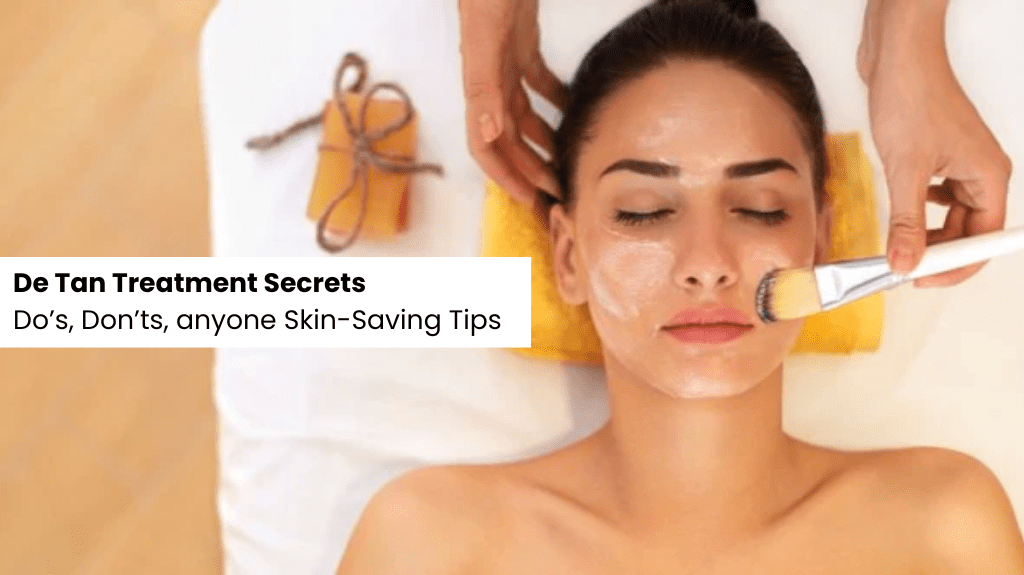
Mumbai is a beautiful city to live in, but the sun here is relentless. If you have noticed your skin looking darker, patchier, or just uneven after a summer outdoors, you are not alone. A professional de tan treatment is one of the most reliable ways to address that.
Dr Madhuri Agarwal at Yavana Skin and Hair Clinic works with patients on exactly this concern, using clinical methods rather than creams or quick fixes that rarely deliver what they promise.
What Does Detan Meaning Actually Refer to?
There is some confusion around this, and it is worth clearing up. The detan meaning is not about changing your natural skin colour or using bleach. It refers to the safe removal of excess melanin that has accumulated in the upper layers of your skin due to UV exposure.
When your skin is exposed to sunlight, it produces melanin as a protective response. That is normal. But prolonged or intense exposure leads to uneven pigmentation. Darker patches, a dull tone, and a complexion that no longer looks like yours. The detan meaning, properly understood, is about fading that accumulated pigment and allowing your actual skin tone to come through again. It is a process of restoring skin that has been under environmental stress, not altering it.
That distinction matters because it shapes what kind of treatment you should be looking for. Deep rejuvenation of the epidermis, not surface-level bleaching.
The Do’s: What Works for Skin Recovery
Getting your skin back to clarity takes a disciplined approach, especially when you are trying to reverse existing damage while preventing new pigmentation from forming. These are the habits and ingredients that make a measurable difference.
- Professional Exfoliation with AHAs
Alpha Hydroxy Acids, in particular glycolic acid, are among the most dependable answers to how to detan skin. Dead skin cells contain a significant portion of sun-induced pigment, and AHAs help shed them efficiently.
Done with professional-grade formulations at the right frequency, this accelerates skin cell turnover and reveals cleaner, more even skin underneath. The key word is professional-grade; concentrations matter here.
- A Strict SPF 50+ Routine
If you are serious about how to detan skin, sunscreen is not optional. It is the foundation. A broad-spectrum SPF 50+ applied every morning, and reapplied if you spend time outdoors or near windows, is what keeps new melanin from forming while your treatment works on the existing pigment.
Skipping sunscreen during a de tan treatment programme essentially undoes the clinical work. No product, however well formulated, can outrun daily UV exposure.
- Medical-Grade Vitamin C Serums
Vitamin C inhibits the enzyme responsible for melanin production, which makes it directly relevant to how to detan skin. It also improves overall brightness and texture over time.
Applied to clean skin before your moisturiser and sunscreen, it adds antioxidant protection against free radicals and pollution, both of which are relevant if you spend time in a city like Mumbai. It is one of the more well-researched ingredients for this concern.
The Don’ts: What to Avoid If You Want Lasting Results
When you notice sunspots or darkening, the temptation to find a quick home fix is real. But some of the most common DIY approaches do more damage than the tan itself.
- Lemon Juice and Kitchen Experiments
Lemon juice is highly acidic. On skin that is already sun-stressed, it can cause chemical burns and significantly increase photosensitivity. The result is often deeper pigmentation, not lighter. Baking soda has a similar problem. It disrupts the skin’s pH barrier.
These are not gentle alternatives, but unstable ingredients being applied to a sensitive surface. Your skin barrier is not something you want to compromise while trying to restore clarity.
- Harsh Bleaches and Alcohol-Heavy Toners
Bleaching creams that promise overnight results often contain mercury or other chemicals that thin the skin over time. Alcohol-heavy toners strip the skin of essential oils, leaving it dehydrated, hence more prone to irritation and visible ageing.
Temporary lightening that comes with these long-term costs is not a fair trade. Medical-grade formulations exist precisely because formulation and stability matter, not just the active ingredient.
- Over-Exfoliating Damaged Skin
Scrubbing harder does not remove a tan faster. It creates micro-tears that trigger inflammation, and inflamed skin produces more melanin — the opposite of what you are trying to achieve.
If your skin is red, peeling, or reactive, stop all actives and focus on rehydration and barrier repair first. Clinical ingredients need a stable surface to work on. Forcing the process causes setbacks.
Clinical Treatments: The D Tan Benefits at Yavana
Professional procedures target pigmentation at a level that topical products cannot reach on their own. At Yavana, US-FDA-approved technologies are used to address deep-seated melanin safety. The D tan benefits here come from precision; the right modality for the right depth of pigmentation.
- Yavana Immacule – Triple-Action Pigmentation Treatment
The Immacule treatment delivers notable benefits for stubborn or recurring darkening. It combines Yavana’s signature products, lightening peels, and targeted laser therapy in a three-step protocol.
Each layer addresses pigment at a different depth. The laser specifically fragments melanin clusters, allowing the body to absorb and clear them naturally. Results are visible relatively quickly, which is why this treatment is a common choice for people preparing for weddings or important events.
- Peau Fraîche – For Dull and Dehydrated Skin
The Peau Fraîche facial is a gentler option that still delivers real D tan benefits. It pairs skin-lighening actives with a revitalising facial massage and Yavana’s signature Detox Herbed mask, which draws out impurities. It is particularly suited to skin that looks tired or flat rather than deeply pigmented; skin that needs both clarity and life. Patients typically leave looking noticeably more awake and luminous!
- Texture and Long-Term Clarity
Beyond tone correction, one underrated D tan benefit is what it does to skin texture. Pores refine, rough patches smooth out, and the skin becomes better at evenly reflecting light. Consistently delivered clinical care also prevents pigmentation from settling permanently, saving a lot of work later. Skin that is maintained professionally ages more gracefully.
Understanding the Detan Cost
The detan cost at Yavana is not a fixed number, and that is deliberate. Skin concerns are individual: the severity of tanning, how long it has been there, the size of the treatment area, and how your skin responds to different modalities all affect what is actually needed.
Surface-level pigmentation requires a different approach than deep, long-standing tan. Treating the face alone is a different scope than treating the arms, shoulders, or back. Yavana uses FDA-approved equipment, which contributes to predictable, safe outcomes. And that quality is part of what the cost reflects.
The consultation is where the actual assessment happens. It is how your personalised treatment plan gets built, and it is the most useful way to understand what your specific detan cost will look like. Transparent pricing, based on what you actually need, is the approach here!
Why Patients Choose Yavana for De-Tanning in Mumbai
Dr Madhuri Agarwal is a board-certified dermatologist with over 25 years of experience in aesthetic dermatology. Her understanding of Indian skin types, the way pigmentation presents, recurs, and responds to treatment, is specific and clinically grounded. Every de tan treatment at Yavana is supervised by her team, with a plan built around your individual skin rather than a generic protocol.
Our clinic uses the Immacule laser system for precise pigmentation work and takes a treatment-led approach throughout. If you are a frequent traveller dealing with recurring sun damage, or preparing for an event and want your skin looking its clearest, Yavana has a path forward for you.
Frequently Asked Questions
A de tan treatment works to fade excess melanin safely, restoring your natural skin tone. It removes sun-damaged surface cells through clinical means (not bleaching agents) and improves overall clarity and skin health.
Many patients see visible benefits after a single peel session. For deeper or more persistent pigmentation, a course of 4 to 6 sessions usually gives the best long-term outcome.
Yes. It begins with a thorough consultation and skin assessment. Yavana evaluates your skin type and the extent of sun damage before building your treatment plan, so nothing is generic.
Keep direct sun exposure to a minimum immediately after any session. Wear broad-spectrum sunscreen and cover up if you need to be outdoors. This protects both your skin and the results of the treatment.
Consulting a board-certified dermatologist is the most direct answer without causing further damage. Clinical options like laser therapy and chemical peels are faster and more precise than topical products. A professional assessment also ensures your routine is right for your specific skin type.