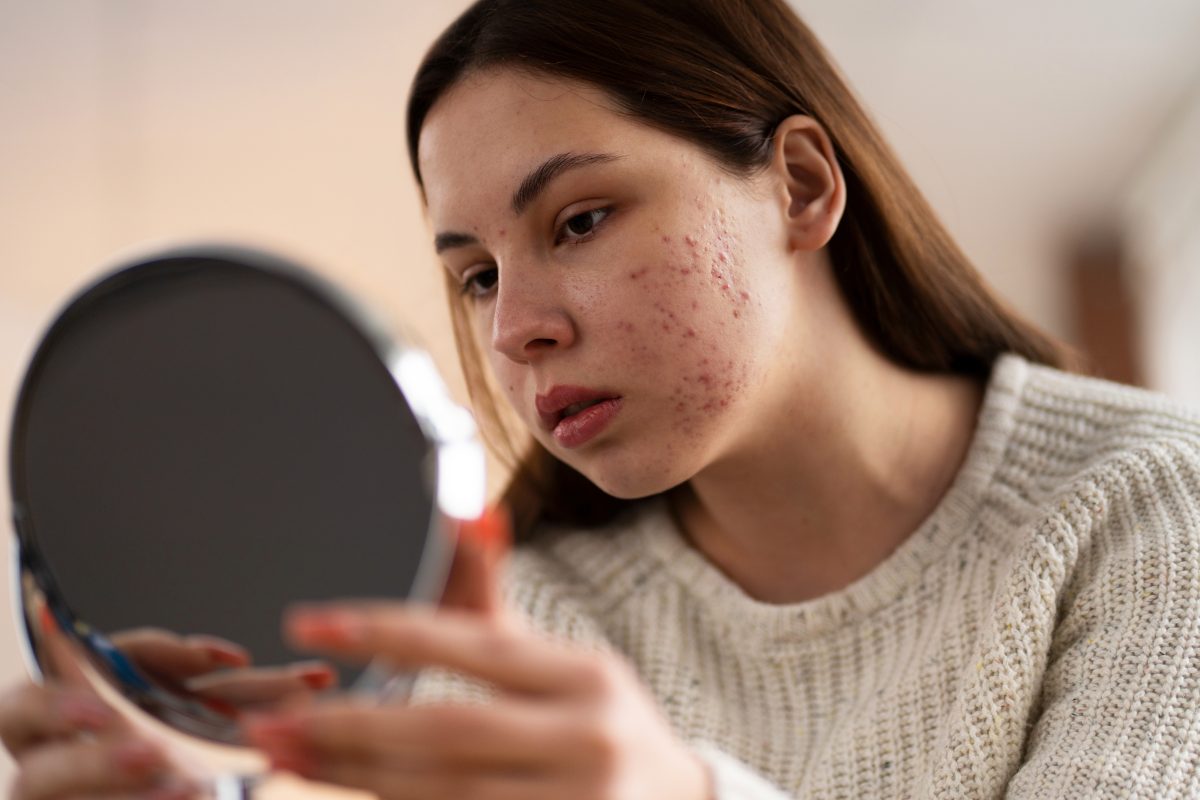
Acne clear Treatment and Acne scar Treatment

Gender Differences in Acne: Beyond Teenage Years

Introduction:

Acne, often considered a rite of passage during adolescence, is a skin condition that doesn’t necessarily vanish with the teenage years. Beyond the tumultuous hormonal changes of puberty, adult acne persists, impacting men and women differently. In this blog, we delve into the nuances of gender differences in adult acne, exploring hormonal influences, treatment approaches, lifestyle factors, and the psychological impact it has on individuals.

Gender Disparities in Adult Acne Prevalence:

Contrary to popular belief, acne isn’t solely a teenage woe. Studies have shown that adult women are more prone to developing acne than their male counterparts. The reasons for this gender disparity are multifaceted, ranging from hormonal influences to genetic predispositions.

Hormonal Influences:

One of the primary contributors to adult acne is hormonal fluctuations. Women, in particular, experience cyclical hormonal changes associated with the menstrual cycle. Fluctuations in estrogen and progesterone levels can trigger increased sebum production, leading to acne flare-ups. Understanding these hormonal dynamics is crucial in tailoring effective treatment strategies.

Treatment Approaches:

Medications tailored to gender-specific factors have gained prominence in addressing adult acne. For women, hormonal contraceptives or anti-androgen medications may be recommended to regulate hormone levels. On the other hand, men may benefit from medications targeting excess sebum production and inflammation.

Cosmetic procedures also play a role in acne management, with their effectiveness varying by gender. For instance, laser treatments may be more beneficial for women dealing with hormonal acne, while men might find success with chemical peels or microdermabrasion.

Lifestyle Factors:

Stress, a ubiquitous element of modern life, can significantly impact hormone levels and exacerbate acne. Women, in particular, may experience hormonal fluctuations during stressful periods, contributing to acne development. Incorporating stress-reducing practices into daily life can be beneficial for both genders in managing adult acne.

Skincare routines and product efficacy also differ between men and women. Understanding the unique needs of each gender’s skin can aid in the selection of appropriate skincare products, promoting better acne management.

Psychological Impact:

Acne doesn’t just affect the skin; it can take a toll on mental health. Gender differences in coping mechanisms may influence how individuals deal with the emotional burden of adult acne. Societal pressures related to beauty standards can also disproportionately affect men and women, impacting self-esteem and overall well-being.

Conclusion:

In conclusion, recognizing the gender differences in adult acne is crucial for developing more effective treatment approaches and providing improved psychological support for affected individuals. Tailoring treatments to address hormonal influences, understanding the nuances of skincare routines, and acknowledging the psychological impact of acne can pave the way for a holistic approach to acne management beyond the teenage years. By embracing a comprehensive understanding of adult acne, we can empower individuals to navigate this common skin condition with confidence and resilience.

Loading

CO2 Laser

Understanding CO2 Laser: A Dermatologist’s Perspective on Glowing Skin 

The quest for flawless, glowing skin has led to many innovations in the field of dermatology. Among these, the CO2 laser has emerged as a game-changer. As a dermatologist with over 20 years of experience, I’m here to break down this revolutionary treatment for you.

What is a CO2 Laser? CO2 laser, short for Carbon Dioxide Laser, is a treatment that uses laser light to rejuvenate and repair the skin. It’s not magic, but it’s close – harnessing the power of light to help you achieve that desired glow!

How Does CO2 Laser Work? Imagine the process as a meticulous artist at work. The CO2 laser creates a pattern of tiny holes, or “columns of ablation,” in the skin while leaving the areas around them untouched. This selective approach removes damaged skin and sparks our skin’s natural healing process. The star player in this rejuvenation process? Collagen.

Collagen is our skin’s natural support system, a protein that keeps our skin plump, youthful, and elastic. As we age, collagen production diminishes, leading to wrinkles and loss of firmness. The CO2 laser boosts collagen production, resulting in skin that’s not only tighter but also more hydrated and radiant. It’s akin to giving your skin a new lease of life – the post-treatment phase witnesses the birth of fresher, smoother, and more vibrant skin.

What are the Benefits of CO2 Laser:

  • Refined Pores:

Over time, our skin’s pores can enlarge due to factors like age, genetics, or the accumulation of debris, making the skin appear rough or aged.

How CO2 Laser helps: The laser targets these enlarged pores, minimizing their appearance and giving the skin a smoother, more refined look. Think of it as a precision tool that helps your skin look smooth and flawless.

  • Scar Revision:

Scars, whether from acne breakouts of teenage years or remnants of childhood chickenpox, can be a source of self-consciousness.

How CO2 Laser helps: The laser works by stimulating the skin to produce more collagen in the treated areas, effectively lessening the appearance of scars. It’s like giving your skin the nudge it needs to heal itself better.

  • Even Skin Tone:

What it means: Sun exposure, age, or even hormonal changes can lead to an uneven complexion, with patches of skin appearing darker or redder than others.

How CO2 Laser helps: By gently removing the top layer of skin, the laser helps reveal a more uniform layer underneath. The result is a balanced and harmonious complexion that radiates health.

  • Smooth Fine Lines:

What it means: Wrinkles and fine lines are a natural part of ageing but can make one feel older than they are.

How CO2 Laser helps: The treatment boosts the skin’s collagen production, which in turn helps reduce the appearance of these lines. Imagine it as a gentle iron, smoothing the creases to give you a fresher face.

  • Revitalize Texture:

What it means: Over time, skin can lose its youthful suppleness and become rough or “crepey” in texture.

How CO2 Laser helps: By encouraging the skin to regenerate, the laser helps improve both its feel and appearance. It’s like a rejuvenating spa treatment, but at a cellular level, making your skin feel as good as it looks.

What to Expect After a CO2 Laser Procedure? Embarking on a CO2 laser journey is exciting, but patience is critical. Post-treatment, your skin will undergo a recovery phase. The skin might appear raw and naturally peel, unveiling a newer layer underneath. This rejuvenation takes time, typically around 2-4 weeks.

During this healing period:

  • Stay Relaxed: It’s best to rest, avoid strenuous activities, and give your skin the downtime it deserves.
  • TLC is Key: Avoid scratching or picking the treated area. Let the natural healing take its course.
  • Manage Discomfort: Mild pain or discomfort? Over-the-counter pain relief or ice packs can be your best friends.
  • Sun Protection: Minimize sun exposure. When outdoors, always use a good sunscreen to shield your new skin.

In conclusion, CO2 laser treatment is a fantastic avenue to explore if you want rejuvenated, glowing skin. However, it’s essential to approach it with informed expectations. As always, consulting with a dermatologist can help tailor the treatment to your specific needs and ensure the best results.

By Dr. Madhuri Agarwal, Founder of Yavana Aesthetics

Loading

LIPS

LIP FILLER: A GUIDE TO ACHIEVING ENCHANTING LIPS 

Introduction:

Aesthetically pleasing lips have always symbolized beauty and youth. Today, with the evolution of dermal technologies, the dream of flaunting those picture-perfect lips isn’t just for movie stars. Enter the world of lip fillers, the secret to naturally luscious lips.

What Are Lip Fillers?

Lip fillers are gel-like substances primarily consisting of hyaluronic acid. When injected, they:

  • Add volume to the lips
  • Correct asymmetries
  • Offer a desired shape or fullness

Their goal? Enhancing beauty and facial appeal, catering to each individual’s unique features.

Why Consider Lip Fillers?

  • Restoration: Age might cause your lips to thin and the distance between the mouth’s corners to increase.
  • Shape Correction: Get the exact lip shape you’ve always desired.
  • Wrinkle Smoothening: Say goodbye to fine lines that appear when you smile or laugh.

Procedure & Aftercare

Before the treatment, it’s advisable to know the pre-treatment ‘Dos And Don’ts’. A typical procedure looks like this:

  • Application of a numbing cream.
  • After about 30 minutes, the lip filler is injected once the lips are numb.
  • Gentle massage to ensure even spread and smooth plumpness.
  • Observe the immediate transformation!

Note: Lip fillers can last anywhere from 12 to 18 months, with longevity being influenced by factors such as age and metabolism.

What To Expect Post-Procedure?

Immediate Aftercare:

  • Your dermatologist may massage your lips for better filler distribution.
  • Some monitoring might be done to check for side effects like dizziness or nausea.
  • Expect some swelling and bruising, which usually subsides within a week.
  • Follow-up appointment after two weeks to assess the results.

Tips for Recovery:

  • Use an ice pack to reduce inflammation and swelling.
  • Avoid lip products for at least 24 hours.
  • Minimize actions like touching, puckering, or sipping from a straw.
  • Hydrate yourself well and refrain from intense physical activity for 24 hours.

Benefits and Concerns

  • Safe with minimal risk when done by experts.
  • Boosts self-esteem.
  • Reversible. Not satisfied? The filler can be dissolved.

While lip fillers are generally safe, especially when administered by an experienced dermatologist, avoid treatments at beauty salons or spas. Incorrect procedures can lead to stretched lips, hardened filler, or infections.

Common Queries

Are They Permanent? No, they wear off, typically between 12 to 18 months.

Can Pregnant Women Get Lip Fillers? The FDA hasn’t approved lip fillers during pregnancy due to a lack of comprehensive studies.

What are the dietary restrictions post-treatment? Avoid messy foods, drinking straws, and alcohol for at least 24 hours.

Conclusion and Next Steps

If you’re considering enhancing your lips, make an informed decision. Book a consultation, discuss your desires, and ensure you’re in expert hands. Remember, it’s not just about fuller lips; it’s about complementing your overall facial aesthetics.

When to Contact Your Dermatologist? Always schedule a follow-up after two weeks. It helps in assessing the results and discussing any further adjustments or treatments.

Your lips narrate a story. Make sure it’s enchanting!

By Dr. Madhuri Agarwal, Founder of Yavana Aesthetics

Loading

SKIN

MEDIFACIALS: A DEEPER DIVE INTO FLAWLESS SKIN

As I’ve often emphasized in my practice, skin care is an art as much as a science. Over the years, I’ve observed the transformative power of medical-grade treatments, including the Medi-facial.

What Sets Medi-facials Apart?

Salon facials may provide relaxation, but when it comes to addressing specific skin concerns, Medi-facials stand apart. These are conducted under our doctor`s careful supervision in our certified clinic and employ advanced techniques like dermaplaning, LED therapy, and more, aiming to combat challenges like sun damage, ageing, and skin dryness.

Medi-facials offer a plethora of benefits that go beyond just beautifying the skin. When you opt for a medi-facial, you can anticipate tighter and moisturized skin that feels exfoliated, soft, and supple. The process is a relaxing retreat, aiding in mood relaxation and stress reduction. Additionally, it comes with anti-inflammatory and anti-bacterial advantages that combat skin issues often caused by stress, helping to stabilize oil production and promote healthy cell growth. As a bonus, this treatment aids in reducing signs of ageing, ensuring a smoothened skin texture. Notably, medi-facials are painless, non-invasive, and require no downtime post-procedure. So, not only do you maintain clear skin, but you also enjoy a soothing facial massage, leading to a rejuvenated and youthful appearance.

Why Choose a Medi-facial?

  • Deep Efficacy: Unlike superficial spa treatments, Medi-facials penetrate deeper layers, ensuring lasting results.
  • Tailored Solutions: Every skin is unique and should be its treatment. Medi-facials are customized to your skin’s needs, addressing issues at their root.
  • Safety First: Being non-invasive and painless assures the patient’s comfort and well-being.

Pre and Post-care Tips from Dr Agarwal:

Protecting your skin post-treatment is crucial. I advise my patients to limit sun exposure, apply daily sunscreen, and maintain hydration. A balanced diet and the right skincare products can amplify the results.

When to Begin with Medi-facials?

Starting from the early teenage years, around 14-15, can be beneficial. However, always ensure a consultation, especially if you have specific skin conditions or allergies.

Addressing Dullness and Pigmentation:

I often encounter patients seeking a solution to dullness and pigmentation. While facials can offer a superficial improvement, a holistic approach involving consultations, treatments, and medications might be essential.

The Ultimate Goal of a Medi-facial:

As I often tell my patients, a Medi-facial isn’t just a treatment; it’s a monthly ritual for rejuvenating skin health, improving circulation, and ensuring optimal nutrient absorption.

Dr. Agarwal’s Medi-facial Recommendation:

Considering my diverse needs, I often recommend our Yavana signature, Red Carpet Medifacial. It’s an all-rounder, addressing uneven skin and dullness and offering a rejuvenated look. The blend of advanced laser technology with a gold mask promises a revitalized appearance, making you feel renewed.

Consistency is Key: While the effects of a Medi-facial are transformative, maintaining this glow requires regular sessions. I recommend monthly visits to sustain optimal skin health.

Embrace the science and art of skincare. Let’s embark on a journey towards impeccable skin together. Book your consultation with us today!

By Dr. Madhuri Agarwal, Founder of Yavana Aesthetics

Loading

Laser Hair

A Comprehensive Guide to Laser Hair Reduction

Introduction

Laser hair reduction (LHR) is an innovative medical procedure that has revolutionized the landscape of hair removal. This method harnesses the power of laser technology and offers a more permanent solution than traditional hair removal techniques.

How Does Laser Hair Reduction Work?

Laser hair reduction targets the melanin pigment found in hair. When the laser is beamed onto the skin, it selectively targets and damages the melanin in the hair follicle. This impedes hair growth without damaging the surrounding tissue. Dermatologists carefully assess factors such as the treatment area, hair colour, texture, and growth phase before determining each individual’s most effective laser parameters.

Advantages of Laser Hair Reduction

  • Non-Invasive Treatment: The laser procedure is non-invasive, making it a preferred choice for many.
  • Efficiency: A significant advantage of laser hair removal is its ability to target multiple hairs simultaneously, making it relatively faster than other methods.
  • Cost-Effective in the Long Run: While traditional methods like waxing and threading may seem less expensive initially, their repetitive costs accumulate over time. In contrast, laser hair reduction offers a more permanent solution after a few sessions, making it more cost-effective in the long run.
  • Permanent Hair Reduction: Unlike temporary solutions, laser hair reduction ensures lasting results, making frequent painful hair removal sessions a thing of the past.

Procedure

Before embarking on this journey, it’s essential to prepare. A month prior, patients should refrain from waxing, plucking, or undergoing electrolysis, as these methods remove the hair root temporarily, which is necessary for the laser’s effectiveness.

On the day of the procedure:

  • The targeted area is cleansed and shaved.
  • Laser shots are administered based on parameters set by the dermatologist.
  • Patients usually describe the sensation as a mild warmth with little to no discomfort.
  • Typically, between 6-8 sessions are recommended for optimal results. However, those with hormonal imbalances might require extended treatments.

It’s essential to understand that the goal is “permanent hair reduction,” not “complete hair removal.” While the re-growth is reduced significantly, any hair that does grow back tends to be lighter, thinner, and sparser.

Post-Procedure Care

After undergoing LHR, the treated area becomes sensitive. To ensure optimal results and prevent complications, adhere to the following:

  • Steer clear of direct sun exposure.
  • Apply sunscreen diligently.
  • Refrain from exfoliation, shaving, or waxing the treated area.
  • Sidestep hot showers, saunas, and hot tubs.
  • Avoid using makeup and other topical creams on the treated skin.

Conclusion

Laser hair reduction is a leap forward in hair removal techniques, offering lasting results with minimal discomfort. One can achieve smoother and hair-free skin by understanding the procedure and following post-care recommendations. Always consult a certified dermatologist before deciding on the treatment to ensure it’s the right fit for you.

By Dr. Madhuri Agarwal, Founder of Yavana Aesthetics

Loading