Laser Hair

A Comprehensive Guide to Laser Hair Reduction

Introduction

Laser hair reduction (LHR) is an innovative medical procedure that has revolutionized the landscape of hair removal. This method harnesses the power of laser technology and offers a more permanent solution than traditional hair removal techniques.

How Does Laser Hair Reduction Work?

Laser hair reduction targets the melanin pigment found in hair. When the laser is beamed onto the skin, it selectively targets and damages the melanin in the hair follicle. This impedes hair growth without damaging the surrounding tissue. Dermatologists carefully assess factors such as the treatment area, hair colour, texture, and growth phase before determining each individual’s most effective laser parameters.

Advantages of Laser Hair Reduction

  • Non-Invasive Treatment: The laser procedure is non-invasive, making it a preferred choice for many.
  • Efficiency: A significant advantage of laser hair removal is its ability to target multiple hairs simultaneously, making it relatively faster than other methods.
  • Cost-Effective in the Long Run: While traditional methods like waxing and threading may seem less expensive initially, their repetitive costs accumulate over time. In contrast, laser hair reduction offers a more permanent solution after a few sessions, making it more cost-effective in the long run.
  • Permanent Hair Reduction: Unlike temporary solutions, laser hair reduction ensures lasting results, making frequent painful hair removal sessions a thing of the past.

Procedure

Before embarking on this journey, it’s essential to prepare. A month prior, patients should refrain from waxing, plucking, or undergoing electrolysis, as these methods remove the hair root temporarily, which is necessary for the laser’s effectiveness.

On the day of the procedure:

  • The targeted area is cleansed and shaved.
  • Laser shots are administered based on parameters set by the dermatologist.
  • Patients usually describe the sensation as a mild warmth with little to no discomfort.
  • Typically, between 6-8 sessions are recommended for optimal results. However, those with hormonal imbalances might require extended treatments.

It’s essential to understand that the goal is “permanent hair reduction,” not “complete hair removal.” While the re-growth is reduced significantly, any hair that does grow back tends to be lighter, thinner, and sparser.

Post-Procedure Care

After undergoing LHR, the treated area becomes sensitive. To ensure optimal results and prevent complications, adhere to the following:

  • Steer clear of direct sun exposure.
  • Apply sunscreen diligently.
  • Refrain from exfoliation, shaving, or waxing the treated area.
  • Sidestep hot showers, saunas, and hot tubs.
  • Avoid using makeup and other topical creams on the treated skin.

Conclusion

Laser hair reduction is a leap forward in hair removal techniques, offering lasting results with minimal discomfort. One can achieve smoother and hair-free skin by understanding the procedure and following post-care recommendations. Always consult a certified dermatologist before deciding on the treatment to ensure it’s the right fit for you.

By Dr. Madhuri Agarwal, Founder of Yavana Aesthetics

Loading

RF Microneedling: A Deep Dive with Dr Madhuri Agarwal

In the constantly evolving world of dermatology, staying updated with the latest treatment modalities is crucial. One technique that has recently garnered significant attention and acclaim is RF Microneedling (MNRF). As a dermatologist keenly observing and practising these innovative treatments, I, Dr. Madhuri Agarwal, am here to provide a comprehensive look into RF Microneedling and its myriad benefits.

A Closer Look at RF Microneedling

RF Microneedling is more than just a fusion of traditional microneedling and radiofrequency technology. It is a strategic blend designed to maximize the benefits of both techniques. While microneedles create controlled micro-injuries that trigger the skin’s natural healing processes, the addition of RF energy further stimulates collagen and elastin production deep within the dermis. This dual action speeds up the rejuvenation process and ensures a more lasting and pronounced result.

Why RF Microneedling Is Gaining Momentum?

  • Versatility: MNRF’s broad range of applications makes it a go-to for many skin concerns. Whether you’re battling saggy skin, enlarged pores, or the stubborn after-effects of acne, this treatment offers a solution.
  • Safety and Efficacy: Due to its minimally invasive nature, MNRF reduces potential complications. It bypasses the epidermis, ensuring less surface damage and quicker recovery times.
  • Tailored Treatments: The depth and intensity of RF energy can be adjusted, allowing treatments to be customized to individual needs and concerns.

The Detailed Procedure of MNRF

  • Consultation: Before the treatment, an in-depth skin analysis is done to determine the appropriate equipment settings and tailor the treatment to specific skin needs.
  • Preparation: The target area is cleansed and prepped with a numbing cream, ensuring the patient experiences minimal discomfort.
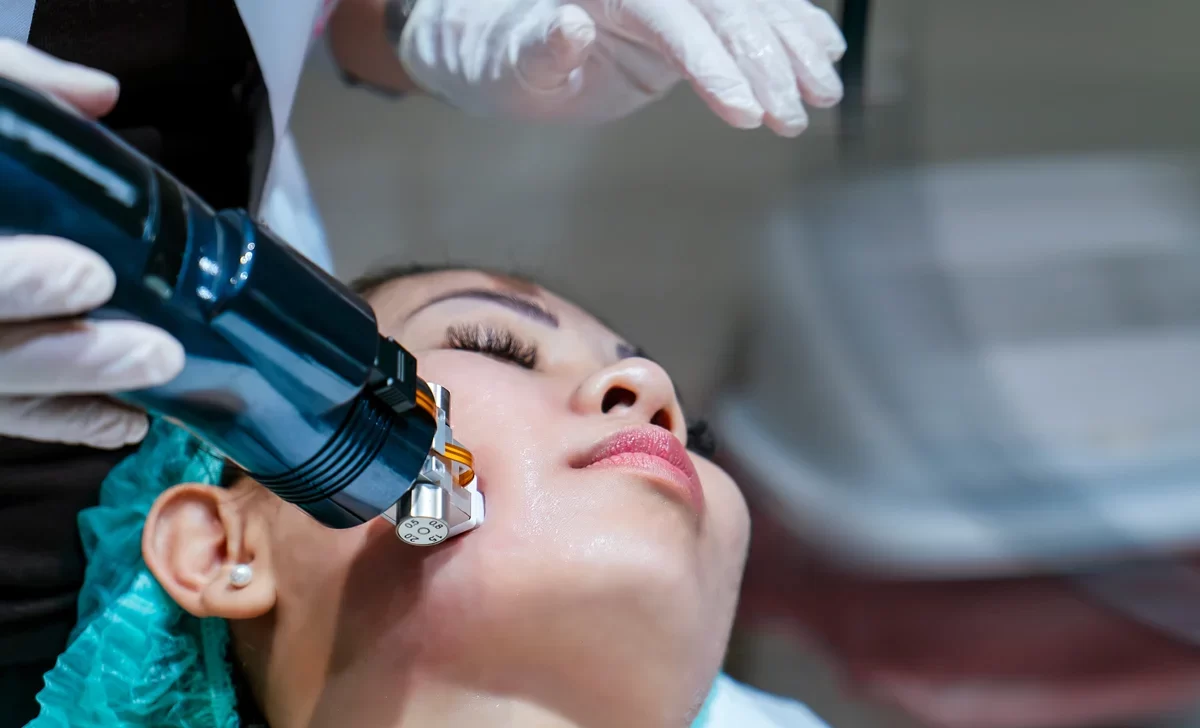
  • Application: Using specialized equipment, micro-needles are gently inserted into the skin, delivering RF energy to precise depths. This activates collagen and elastin synthesis and ensures targeted treatment of concerns.
  • Post-Treatment Care: The treated area might display mild redness and swelling after the procedure. Cooling packs and calming serums are often applied to soothe the skin. Patients are advised to abstain from sun exposure and to apply sunscreen diligently. Moreover, any form of aggressive skincare or treatments, such as exfoliation, should be avoided for at least a week.

Expected Results and Sessions

  • Initial Outcomes: While some changes might be noticeable within the first few weeks, significant results generally manifest after 3-4 sessions as collagen remodelling occurs.
  • Number of Sessions: Typically, a course of 3-5 sessions, spaced 4-6 weeks apart, is recommended for best results. However, this number may vary depending on individual skin concerns and responses.

In Conclusion

RF Microneedling isn’t merely a fleeting trend. Its rising popularity is anchored in genuine results and its ability to address multiple skin concerns with reduced risk factors. As with any treatment, consultation with a trusted dermatologist, like myself, is essential to ascertain its suitability for you. The future of skin rejuvenation is here, and RF Microneedling is leading the charge.

By Dr. Madhuri Agarwal, Founder of Yavana Aesthetics

Loading

Skin Lightening

Skin Lightening Treatments: An Insight into Achieving a Brighter Complexion

The desire for a radiant and even-toned complexion is universal. Various factors like sun exposure, genetics, hormonal imbalances, and ageing can cause our skin to develop patches, discolourations, or an uneven tone. The world of dermatology has seen significant advancements over the years, presenting various treatments tailored to address these concerns. 

Here’s a closer look at the skin-lightening therapies available:

1. Chemical Peel Chemical peels involve applying a chemical solution to the skin to exfoliate and remove the damaged top layers. Derived mainly from natural sources, these peels help shed the melanin-rich upper layers, paving the way for healthier and rejuvenated skin.

How It Works: By targeting the uppermost layers of the skin, chemical peels reduce the buildup of dead and congested skin cells. This allows the underlying fresher and smoother skin layers to emerge.

2. Laser Treatment for Skin Lightening Laser treatments use concentrated beams of light to target and break down melanin deposits in specific skin areas, thereby lightening the skin tone.

How It Works: The melanin absorbs the laser energy, causing it to break down. Over time, these melanin particles are removed by the body’s natural processes, leading to a brighter skin tone.

Key Benefits of Skin Lightening Treatments:

  • Reduction in Melanin: The primary goal of these treatments is to reduce the skin’s excess melanin content, which is responsible for the skin hyperpigmentation.
  • Addressing Skin Concerns: Skin lightening treatments can effectively target freckles, melasma, dark spots, and sun-induced damage.
  • Rejuvenating Effects: Beyond lightening, these treatments can reduce scars, age spots, fine lines, and other blemishes, revealing fresher and younger-looking skin.
  • Even-Toned Complexion: Achieve a lighter, consistent, and uniformly toned skin appearance.

Post-Treatment Care: After undergoing any skin-lightening treatment, it’s imperative to follow a gentle skincare regimen. This should include:

  • Using mild cleansers.
  • Hydrating with a good moisturizer.
  • Protecting the skin with a broad-spectrum sunscreen.
  • Refraining from using actives and serums for at least five days post-treatment to allow the skin to heal.

Safety Considerations: While treatments like laser and chemical peels are designed to be safe and effective in reducing melanin production, it’s essential to understand that individual reactions can vary. It is always recommended to consult a certified dermatologist to understand your skin’s unique needs and to determine the most suitable treatment option.

In conclusion, while the allure of brighter skin can be tempting, making informed decisions based on scientific knowledge and expert advice is crucial. With the proper guidance and care, achieving that desired skin glow is well within reach.

By Dr. Madhuri Agarwal, Founder of Yavana Aesthetics

Loading

Dermal Fillers

All About Dermal Fillers: The Gateway to Youthful Beauty 

With two decades in dermatology and countless satisfied clients, my passion lies in crafting natural, youthful skin. At Yavana Aesthetics, we often recommend dermal fillers as a reliable solution to counteract the signs of ageing, bringing your skin’s inner radiance to the forefront.

In pursuing age-defying skin, dermal fillers have emerged as a trusted companion. While our skin naturally loses its elasticity and fullness as we age, dermal fillers act as a bridge, replenishing what time has taken away. They fill the voids created by wrinkles and lines and reintroduce volume and lift to areas that have begun to sag, effectively sculpting the face to its youthful contours. 

Now, many patients ask, “How does this compare to Botox?”. Here’s my take. While both are champions in the anti-ageing realm, they serve distinct purposes. Botox primarily relaxes the muscles to reduce the appearance of fine lines and wrinkles, particularly those that form from facial expressions, like frown lines or crow’s feet. Dermal fillers, on the other hand, focus on restoring volume and fullness, tackling deep-set wrinkles, hollow cheeks, and thinning lips. Consider Botox as the relaxant for surface wrinkles and fillers as the volumizer for deeper age-related changes. Together or individually, they’re powerful tools in the arsenal against ageing. Under expert guidance like at Yavana Aesthetics, they can artfully restore and retain that youthful allure we all cherish.

What are Dermal Fillers?

Dermal fillers are our allies in the battle against skin ageing. When delicately injected beneath the skin’s surface, these gel-like substances can rejuvenate, replenish, and reshape facial contours. At their core is hyaluronic acid, a natural substance in our skin. This humble component is the superstar of the facial filler world due to its safety and effectiveness. When used adeptly, it promises to:

  • Combat Undereye Hollowness: Brighten up the windows to your soul.
  • Smooth Lines: They stand no chance if they’re around the nose and mouth, commonly known as marionette or smile lines.
  • Revitalize Sunken Areas: Be it the cheeks or the temples, bring back youthful plumpness.
  • Erase Vertical Lip Lines: Why not plump those lips for a fuller smile while at it?
  • Iron Out the Chin Crease: Say goodbye to any unwanted marks.
  • Enhance Symmetry: Balancing and beautifying all your lovely features.

The Dermal Filler Experience

The process is more straightforward than one might think. Typically conducted as an outpatient procedure, a session lasts up to an hour. The comfort of my patients is paramount; hence, we always administer a numbing medication prior.

While the transformative results are immediate, you might notice slight bruising or swelling. These are temporary and should subside within a week. Sometimes, a touch-up might be necessary once the swelling recedes to achieve that perfect look.

How long do the results last?

The magic of dermal fillers varies from one person to another and depends on the area treated. On average, you can expect the results to grace your skin anywhere between 6 to 18 months. A more frequent touch-up might be in order if you want to enhance those lips.

Aftercare and Precautions

Dermal fillers at Yavana Aesthetics are safe. However, every skin tells a different story, and some might experience temporary side effects like mild pain, bruising, or swelling. For the best results, I always recommend:

  • No Massages: For 24 hours, resist touching the treated areas.
  • No Facials or Sauna: Keep steam and sauna sessions at bay for 15 days.
  • Rest is Best: Refrain from vigorous activities for 72 hours to let the treatment work wonders.
  • Sun Safety: Stay away from direct sunlight and heat for 72 hours.
  • Elevate When You Sleep: If swelling occurs, sleeping with your face slightly raised is best.

Remember, the journey to radiant skin combines science, expertise, and care. Feel free to reach out to Yavana Aesthetics for guidance, and together, let’s unlock the secret to timeless beauty.

By Dr. Madhuri Agarwal, Founder of Yavana Aesthetics
Loading

Hair Loss

PRP/GFC for Men’s Hair Loss: All You Need to Know

Understanding Men’s Hair Loss: Genetic predisposition and hormonal changes primarily trigger men’s hair loss. Factors like lifestyle, stress, poor eating habits, lack of sleep, and environmental pollutants can exacerbate the condition. In contrast to women, men’s hair loss often manifests as receding frontal hairlines, thinning on the crown, and eventually balding. Conversely, women usually experience thinning from the middle partition, spreading gradually to the sides.

Why PRP for Men? While PRP can benefit men by controlling hair loss and enhancing growth, it isn’t a standalone or permanent solution. Effective hair loss treatment requires a multi-faceted approach, including medical therapy, PRP, and lifestyle management. Selecting the right candidate for PRP is crucial; only some men will benefit from it. Hence, consulting a qualified dermatologist who can ensure the correct PRP technique and procedural protocols is paramount.

Benefits of PRP for Men:

  • Controls hair loss.
  • Enhances hair thickness.
  • Boosts hair density.
  • Augments result in hair transplant procedures.

Understanding PRP and GFC: Platelet Rich Plasma (PRP) and Growth Factor Concentrate (GFC) treatments have made waves in the dermatological world as promising therapies for hair loss. PRP utilizes platelet-rich plasma from one’s blood to combat hair loss. At the same time, GFC treatment, a relatively newer method, employs a concentrated solution derived from growth factors in our blood.

PRP vs. GFC: While PRP and GFC are derived from the patient’s blood, their compositions vary. PRP extracts platelet-rich plasma, platelet-poor plasma, and other red blood cells. In contrast, only the platelet-rich plasma is utilized. Conversely, GFC boasts a higher concentration of growth factors than PRP, which may result in enhanced stimulation for hair growth.

Who Should Consider PRP or GFC?

  • Individuals battling male or female pattern balding, also known as alopecia.
  • Those experiencing hair loss due to stress, drastic weather changes, poor diet, and lifestyle habits.

Procedure at a Glance:

  • Blood is drawn from the patient, akin to a routine blood test.
  • The blood is then centrifuged using advanced techniques to maximize the Growth Factor Concentrate.
  • The resulting concentrated solution is administered to the scalp using microinjections.

Benefits:

  • Significantly curbs hair fall and rejuvenates hair follicles.
  • Enhances hair thickness and volume.
  • There is no downtime post-procedure, enabling patients to resume their daily activities immediately.

Tips for Men Battling Hair Loss:

  • Long-term Management: Hair loss, especially pattern hair loss, requires consistent treatment. It’s essential to set realistic expectations and remain patient.
  • Exercise and Meditation: Regular workouts and meditation release happy hormones, balancing stress and promoting hair health.
  • Balanced Diet: A nutrient-rich diet, free from junk and processed foods, can significantly aid hair growth.
  • Quality Sleep: Uninterrupted sleep, aligned with the body’s circadian rhythm, can revitalize hair follicles.
  • Hobbies: Engaging in hobbies can act as a distraction from life’s stresses, including hair fall.

Boosting Hair Growth: While advanced hair loss poses challenges, early interventions can promote hair growth in men. However, it’s essential to remember that boosting growth isn’t a one-time task—consistent care and maintenance are critical.


By Dr. Madhuri

Dr. Madhuri is a board-certified dermatologist with extensive experience in hair loss treatments. Suppose you’re struggling with hair fall or considering PRP/GFC. In that case, it’s vital to consult a dermatologist to discuss the best options tailored for you.

Loading