Pigmentation

Spotlight on SPF: How Sun Protection Plays a Crucial Role in Managing Pigmentation

Understanding Pigmentation and its Causes

Pigmentation, the natural colouring of the skin, may suffer irregularities due to multiple factors. Sun exposure, a primary cause, prompts melanin production in response to UV radiation, resulting in darkened patches or spots. Hormonal fluctuations, often experienced during pregnancy or with contraceptive use, can also contribute to pigmentation changes. Inflammation, whether from acne, eczema, or other skin conditions, may leave behind discoloured marks. Additionally, genetic predispositions can influence pigmentation patterns. These factors collectively contribute to uneven skin tone and pigmentation issues. Understanding the diverse origins of pigmentation irregularities is crucial for implementing effective skincare strategies, including sun protection, topical treatments, and professional interventions like laser therapy or chemical peels. Managing pigmentation concerns requires a comprehensive approach tailored to individual circumstances, encompassing both prevention and targeted treatment methods to restore a more even complexion.


The Importance of Sun Protection Factor (SPF)

Sun Protection Factor (SPF), a vital aspect of sunscreen, quantifies its efficacy in shielding the skin from the sun’s harmful UV radiation. SPF primarily targets UVB rays, the chief culprits behind sunburn and skin cancer. By forming a protective barrier, SPF minimises the skin’s exposure to these damaging rays, thereby reducing the risk of sunburn and long-term skin damage. Furthermore, SPF aids in preventing the exacerbation of existing pigmentation irregularities and the formation of new dark spots, contributing to a more even and healthier complexion. Incorporating sunscreen with an adequate SPF into daily skincare routines is imperative for maintaining skin health and preventing sun-induced skin conditions, underscoring the importance of SPF as a crucial component of sun protection measures.


How SPF Helps in Preventing Pigmentation

Regular application of sunscreen with a sufficient SPF establishes a vital protective shield against UV radiation, crucial for minimising skin exposure. This preventive measure curtails the overproduction of melanin, thereby mitigating the likelihood of pigmentation concerns like sunspots, melasma, and post-inflammatory hyperpigmentation. Ensuring consistent SPF usage remains imperative, irrespective of weather conditions, including cloudy days or indoor activities. Despite cloud cover or being indoors, UV rays possess the capability to infiltrate through windows, underscoring the necessity of sunscreen application. Embracing this habit fortifies the skin’s defence mechanism, safeguarding against the detrimental effects of UV radiation, and preserving skin health in the long term.


Tips for Effective Sun Protection

Choose a broad-spectrum sunscreen with an SPF of 30 or higher to ensure protection against both UVA and UVB rays.

Apply sunscreen generously and evenly to all exposed skin areas at least 15 minutes before going outdoors.

Reapply sunscreen every two hours, or more frequently if swimming or sweating.

Wear protective clothing, such as hats, sunglasses, and long-sleeved shirts, for additional sun protection.

Seek shade during peak sun hours, typically between 10 a.m. and 4 p.m., when UV radiation is strongest.


Other Strategies for Managing Pigmentation

In addition to sun protection, there are various other strategies for managing pigmentation effectively. These include:

Using topical treatments containing ingredients such as hydroquinone, retinoids, vitamin C, and niacinamide to target pigmented areas and promote skin renewal.

Undergoing professional treatments like chemical peels, laser therapy, and microdermabrasion to address stubborn pigmentation concerns.

Adopting a healthy lifestyle with a balanced diet, regular exercise, adequate hydration, and sufficient sleep to support overall skin health and healing processes.


Incorporating SPF Into Your Skincare Routine

In the pursuit of managing pigmentation effectively, integrating SPF into your daily skincare ritual is paramount. Selecting a sunscreen tailored to your skin type and personal preferences—be it a featherlight lotion, a nourishing cream, or a mattifying gel—is essential. Incorporate sunscreen as the ultimate layer in your skincare routine, following the steps of cleansing, toning, and moisturising, and preceding any makeup application. By adhering to this regimen, you fortify your skin against harmful UV rays, which are known to exacerbate pigmentation concerns. Consistent application of sunscreen not only safeguards your complexion from sun damage but also promotes a more even and radiant skin tone over time. Thus, embracing sunscreen as a non-negotiable element of your skincare regimen is instrumental in achieving the desired results in pigmentation management.


Conclusion: Emphasising the Role of SPF

In conclusion, sun protection emerges as an indispensable element in pigmentation management and skin health preservation. An understanding of pigmentation causes, coupled with consistent SPF usage and effective sun protection measures, holds the potential to mitigate dark spot appearance and foster a more uniform, radiant complexion. It’s crucial to recognize that prevention serves as the cornerstone in pigmentation control, making SPF an imperative component of daily skincare routines for the attainment of beautiful, healthy skin. By assimilating these insights and accentuating SPF’s significance, individuals can embark on proactive measures to navigate pigmentation issues and uphold a luminous complexion throughout the year.

Loading

Monopolar

The Power of Monopolar Radiofrequency for Youthful Skin

Introduction

In our relentless quest for youthful and rejuvenated skin, the world of dermatology presents a non-invasive marvel harnessing the potency of monopolar radiofrequency (RF). IT is designed to smooth, tighten, and contour the skin and is a step towards preserving the vibrant appearance of yesteryears.

Understanding Monopolar Rf

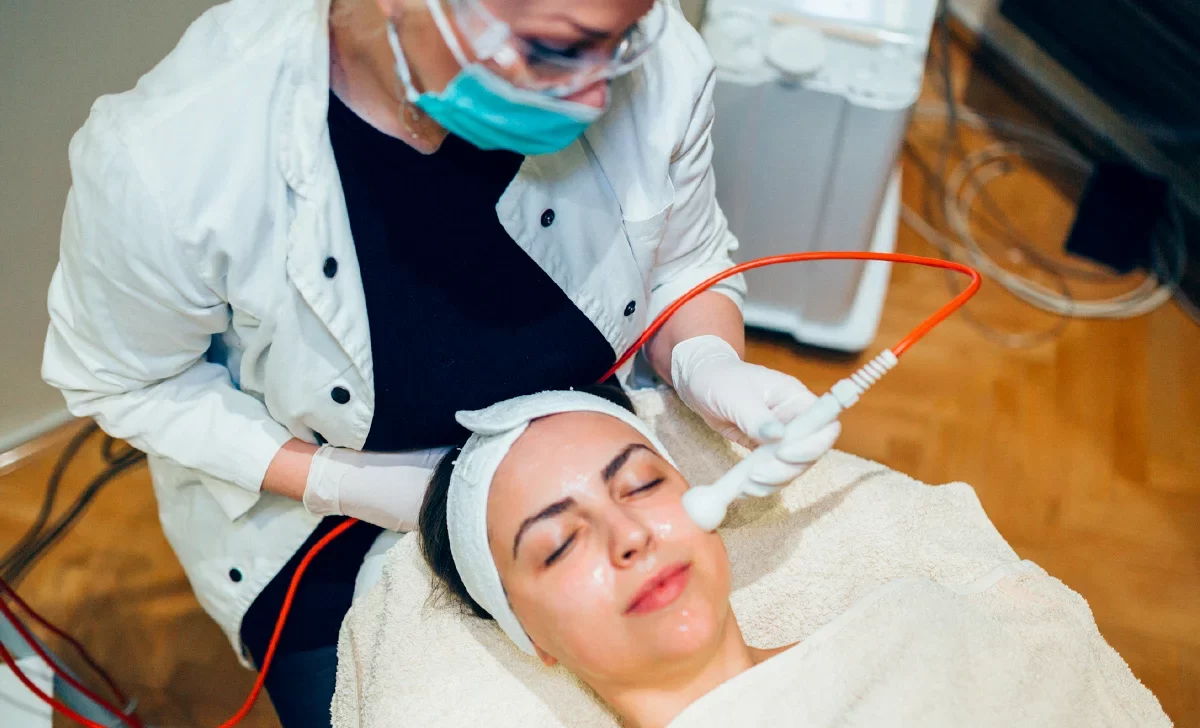
At its core, Monopolar Rf  is an RF therapy that meticulously targets the deep, collagen-rich layers of the skin. But what makes this treatment comfortable is the innovative tip that simultaneously vibrates and cools the skin’s surface, ensuring patient comfort throughout the procedure.

Who is the ideal candidate for this procedure?

While Monopolar Rf  benefits are many, it’s particularly effective for individuals in their mid-30s to 50s who are beginning to notice sagging skin, fine lines, and other early signs of ageing but aren’t ready for surgical interventions. It’s an excellent middle-ground solution.

How Does It Work?

  • Mechanism: As time progresses, the collagen in our skin inevitably breaks down, leading to the familiar foes: wrinkles and sagging. Monopolar Rf  emerges as a beacon by promoting new collagen growth, renewing our skin’s former vitality. It achieves this by heating the existing collagen and stimulating new collagen formation. This dual action reduces sagging and restores contours, elevating the overall texture and smoothness of the skin’s surface.
  • Depth and Reach: A remarkable feature of Monopolar Rf  is its ability to target all three layers of facial skin. This comprehensive approach ensures robust and long-lasting skin rejuvenation. The underlying radiofrequency energy further tightens the collagen, effectively addressing wrinkles and fine lines.

Applications of Monopolar Rf

Monopolar Rf  is versatile. It’s not limited to facial rejuvenation alone. Still, it extends its benefits to treat wrinkles and loose skin around the eyes and the body.

Procedure Insights

  • Duration: A typical Monopolar Rf  session spans between 60 to 90 minutes.
  • Post-Procedure: One of the standout features of Monopolar Rf  is the minimal to zero downtime. Post-treatment, you can seamlessly transition back to your daily routine, work or leisure, without any hindrance.

The Benefits of Choosing Monopolar Rf

  • One-Time Treatment: Unlike some procedures that demand multiple sittings, Monopolar Rf  offers the luxury of a single-session treatment.
  • Comfort and Safety: The procedure is designed to ensure maximum painless and safe comfort.
  • Visible Results: Post-treatment, the rewards are manifold. Patients often report firmer, younger-looking skin. Other commendable outcomes include reduced acne, softened scars, a chiselled jawline, diminished forehead lines, and a significant reduction in jowls.

Cost-Effectiveness

Considering that Monopolar Rf  is often a one-time treatment with lasting results, it presents itself as a cost-effective solution in the long run compared to treatments that require frequent touch-ups or maintenance sessions.

Conclusion

In the panorama of skin treatments, Monopolar Rf  stands out as an efficient, quick, and long-lasting solution for those aspiring for a youthful appearance. With minimal discomfort and no extensive aftercare, it’s a testament to how modern dermatological advances can offer simple solutions to complex skin ageing problems.


By Dr. Madhuri Agarwal, Founder of Yavana Aesthetics

Loading

Laser Hair Removal for Men: Breaking Stereotypes and Redefining Masculinity through Self-Care

Introduction: Challenging Traditional Views on Male Grooming

In recent years, there has been a significant shift in societal attitudes towards male grooming. Breaking away from traditional norms that dictated a rugged, untouched appearance for men, modern masculinity embraces self-care, including grooming practices like laser hair removal. This groundbreaking trend challenges the stereotypical views on male grooming, fostering a new era of self-expression and confidence.

History of Laser Hair Removal for Men

The concept of laser hair removal is not new, but its acceptance among men has gained momentum in the last decade. Historically, men were expected to sport natural, unshaven looks. However, as societal norms evolved, so did the perception of male grooming. Laser hair removal technology, once primarily associated with women, has become a game-changer for men seeking a more polished and refined appearance.

Myths and Misconceptions about Male Hair Removal

Despite the growing popularity of laser hair removal for men, various myths and misconceptions still persist. One common misconception is that the procedure is painful. In reality, advancements in technology have made laser hair removal virtually painless, with many clients reporting only mild discomfort.

Another myth is that hair removal is a solely feminine concern. However, men of all ages and backgrounds are increasingly opting for laser hair removal to achieve smoother skin and reduce unwanted hair, challenging the outdated notion that grooming is exclusively a female prerogative.

Benefits of Laser Hair Removal for Men

The benefits of laser hair removal for men extend far beyond aesthetics. One of the primary advantages is the long-lasting results. Unlike traditional methods like shaving or waxing, laser hair removal offers a more permanent solution by targeting hair follicles, resulting in smoother skin for an extended period.

Moreover, laser hair removal is versatile and can be applied to various body areas, including the back, chest, shoulders, and even facial hair. This versatility allows men to customize their grooming routines based on individual preferences, redefining standards of beauty and personal care.

Testimonials from Men Who Have Undergone the Treatment

To provide firsthand insights into the transformative power of laser hair removal for men, let’s hear from individuals who have experienced the procedure. John, a 32-year-old professional, shares, “Laser hair removal has not only boosted my confidence but also made my daily grooming routine much simpler. I feel more comfortable in my own skin.”

Michael, a 45-year-old father of two, adds, “I used to spend hours each month on shaving and trimming. Laser hair removal has given me the gift of time and a renewed sense of self-care. It’s not just about looking good; it’s about feeling good too.”

The Future of Male Grooming and Acceptance

As societal attitudes continue to evolve, the future of male grooming appears bright and inclusive. Laser hair removal is just one facet of a broader movement that encourages men to embrace self-care without fear of judgment. The beauty and personal care industry is increasingly recognizing and catering to the unique grooming needs of men, challenging traditional norms and fostering a more inclusive definition of masculinity.

Conclusion: Redefining Masculinity through Self-Care

Laser hair removal for men is a testament to the evolving concept of masculinity in the 21st century. By challenging traditional views on male grooming, men are rewriting the narrative of self-expression and care. As acceptance grows, and more men embrace grooming practices like laser hair removal, the outdated stereotypes surrounding masculinity will continue to fade away. It’s not just about looking good; it’s about feeling good and confidently embracing one’s authentic self. In the journey to redefine masculinity through self-care, laser hair removal stands as a symbol of empowerment, choice, and the freedom to express individuality.

Loading

Acne clear Treatment and Acne scar Treatment

Gender Differences in Acne: Beyond Teenage Years

Introduction:

Acne, often considered a rite of passage during adolescence, is a skin condition that doesn’t necessarily vanish with the teenage years. Beyond the tumultuous hormonal changes of puberty, adult acne persists, impacting men and women differently. In this blog, we delve into the nuances of gender differences in adult acne, exploring hormonal influences, treatment approaches, lifestyle factors, and the psychological impact it has on individuals.

Gender Disparities in Adult Acne Prevalence:

Contrary to popular belief, acne isn’t solely a teenage woe. Studies have shown that adult women are more prone to developing acne than their male counterparts. The reasons for this gender disparity are multifaceted, ranging from hormonal influences to genetic predispositions.

Hormonal Influences:

One of the primary contributors to adult acne is hormonal fluctuations. Women, in particular, experience cyclical hormonal changes associated with the menstrual cycle. Fluctuations in estrogen and progesterone levels can trigger increased sebum production, leading to acne flare-ups. Understanding these hormonal dynamics is crucial in tailoring effective treatment strategies.

Treatment Approaches:

Medications tailored to gender-specific factors have gained prominence in addressing adult acne. For women, hormonal contraceptives or anti-androgen medications may be recommended to regulate hormone levels. On the other hand, men may benefit from medications targeting excess sebum production and inflammation.

Cosmetic procedures also play a role in acne management, with their effectiveness varying by gender. For instance, laser treatments may be more beneficial for women dealing with hormonal acne, while men might find success with chemical peels or microdermabrasion.

Lifestyle Factors:

Stress, a ubiquitous element of modern life, can significantly impact hormone levels and exacerbate acne. Women, in particular, may experience hormonal fluctuations during stressful periods, contributing to acne development. Incorporating stress-reducing practices into daily life can be beneficial for both genders in managing adult acne.

Skincare routines and product efficacy also differ between men and women. Understanding the unique needs of each gender’s skin can aid in the selection of appropriate skincare products, promoting better acne management.

Psychological Impact:

Acne doesn’t just affect the skin; it can take a toll on mental health. Gender differences in coping mechanisms may influence how individuals deal with the emotional burden of adult acne. Societal pressures related to beauty standards can also disproportionately affect men and women, impacting self-esteem and overall well-being.

Conclusion:

In conclusion, recognizing the gender differences in adult acne is crucial for developing more effective treatment approaches and providing improved psychological support for affected individuals. Tailoring treatments to address hormonal influences, understanding the nuances of skincare routines, and acknowledging the psychological impact of acne can pave the way for a holistic approach to acne management beyond the teenage years. By embracing a comprehensive understanding of adult acne, we can empower individuals to navigate this common skin condition with confidence and resilience.

Loading

CO2 Laser

Understanding CO2 Laser: A Dermatologist’s Perspective on Glowing Skin 

The quest for flawless, glowing skin has led to many innovations in the field of dermatology. Among these, the CO2 laser has emerged as a game-changer. As a dermatologist with over 20 years of experience, I’m here to break down this revolutionary treatment for you.

What is a CO2 Laser? CO2 laser, short for Carbon Dioxide Laser, is a treatment that uses laser light to rejuvenate and repair the skin. It’s not magic, but it’s close – harnessing the power of light to help you achieve that desired glow!

How Does CO2 Laser Work? Imagine the process as a meticulous artist at work. The CO2 laser creates a pattern of tiny holes, or “columns of ablation,” in the skin while leaving the areas around them untouched. This selective approach removes damaged skin and sparks our skin’s natural healing process. The star player in this rejuvenation process? Collagen.

Collagen is our skin’s natural support system, a protein that keeps our skin plump, youthful, and elastic. As we age, collagen production diminishes, leading to wrinkles and loss of firmness. The CO2 laser boosts collagen production, resulting in skin that’s not only tighter but also more hydrated and radiant. It’s akin to giving your skin a new lease of life – the post-treatment phase witnesses the birth of fresher, smoother, and more vibrant skin.

What are the Benefits of CO2 Laser:

  • Refined Pores:

Over time, our skin’s pores can enlarge due to factors like age, genetics, or the accumulation of debris, making the skin appear rough or aged.

How CO2 Laser helps: The laser targets these enlarged pores, minimizing their appearance and giving the skin a smoother, more refined look. Think of it as a precision tool that helps your skin look smooth and flawless.

  • Scar Revision:

Scars, whether from acne breakouts of teenage years or remnants of childhood chickenpox, can be a source of self-consciousness.

How CO2 Laser helps: The laser works by stimulating the skin to produce more collagen in the treated areas, effectively lessening the appearance of scars. It’s like giving your skin the nudge it needs to heal itself better.

  • Even Skin Tone:

What it means: Sun exposure, age, or even hormonal changes can lead to an uneven complexion, with patches of skin appearing darker or redder than others.

How CO2 Laser helps: By gently removing the top layer of skin, the laser helps reveal a more uniform layer underneath. The result is a balanced and harmonious complexion that radiates health.

  • Smooth Fine Lines:

What it means: Wrinkles and fine lines are a natural part of ageing but can make one feel older than they are.

How CO2 Laser helps: The treatment boosts the skin’s collagen production, which in turn helps reduce the appearance of these lines. Imagine it as a gentle iron, smoothing the creases to give you a fresher face.

  • Revitalize Texture:

What it means: Over time, skin can lose its youthful suppleness and become rough or “crepey” in texture.

How CO2 Laser helps: By encouraging the skin to regenerate, the laser helps improve both its feel and appearance. It’s like a rejuvenating spa treatment, but at a cellular level, making your skin feel as good as it looks.

What to Expect After a CO2 Laser Procedure? Embarking on a CO2 laser journey is exciting, but patience is critical. Post-treatment, your skin will undergo a recovery phase. The skin might appear raw and naturally peel, unveiling a newer layer underneath. This rejuvenation takes time, typically around 2-4 weeks.

During this healing period:

  • Stay Relaxed: It’s best to rest, avoid strenuous activities, and give your skin the downtime it deserves.
  • TLC is Key: Avoid scratching or picking the treated area. Let the natural healing take its course.
  • Manage Discomfort: Mild pain or discomfort? Over-the-counter pain relief or ice packs can be your best friends.
  • Sun Protection: Minimize sun exposure. When outdoors, always use a good sunscreen to shield your new skin.

In conclusion, CO2 laser treatment is a fantastic avenue to explore if you want rejuvenated, glowing skin. However, it’s essential to approach it with informed expectations. As always, consulting with a dermatologist can help tailor the treatment to your specific needs and ensure the best results.

By Dr. Madhuri Agarwal, Founder of Yavana Aesthetics

Loading